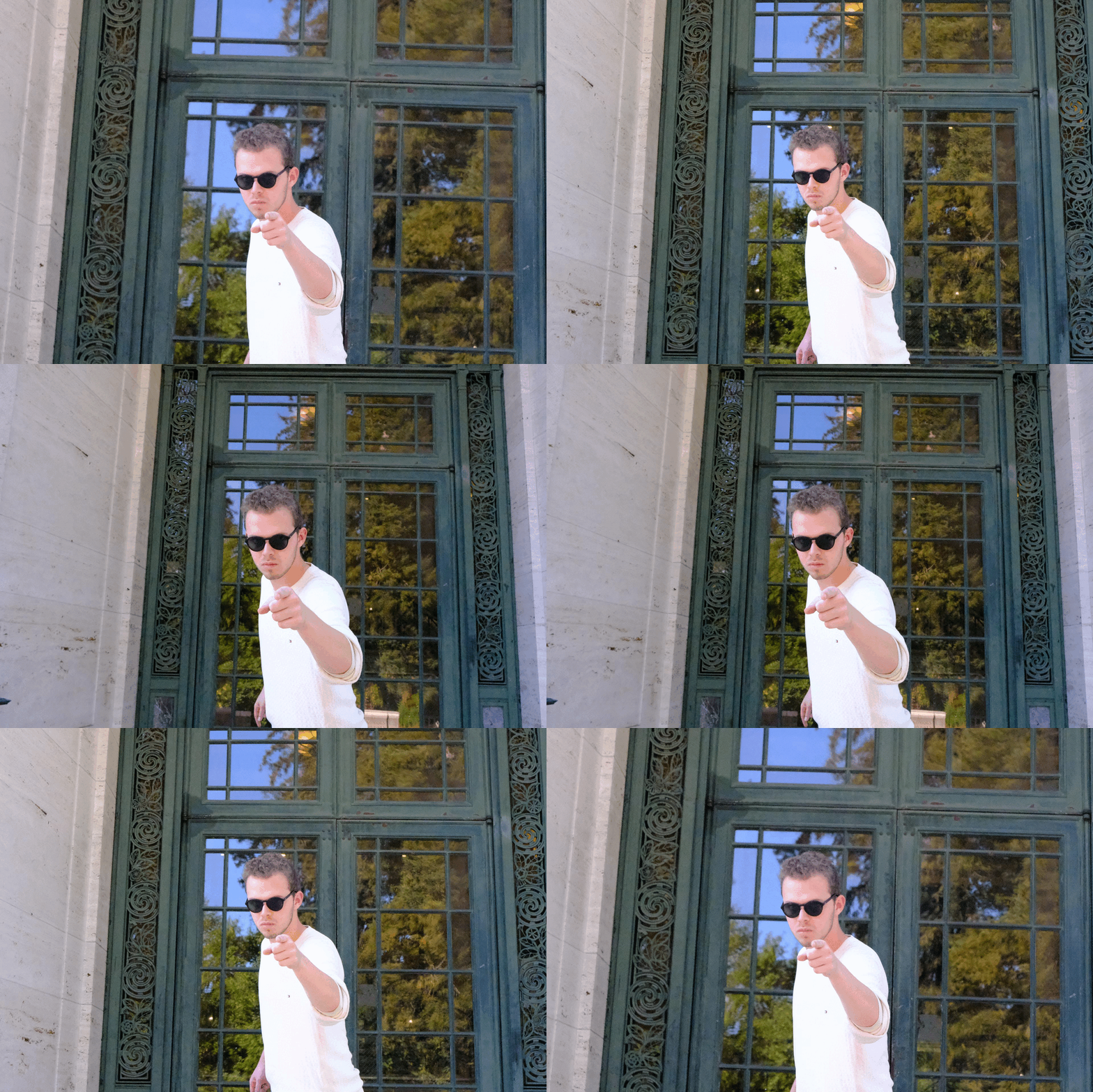
CS180 — Project 0: Becoming Friends with Your Camera
Part 1: Selfie — The Wrong Way vs. The Right Way


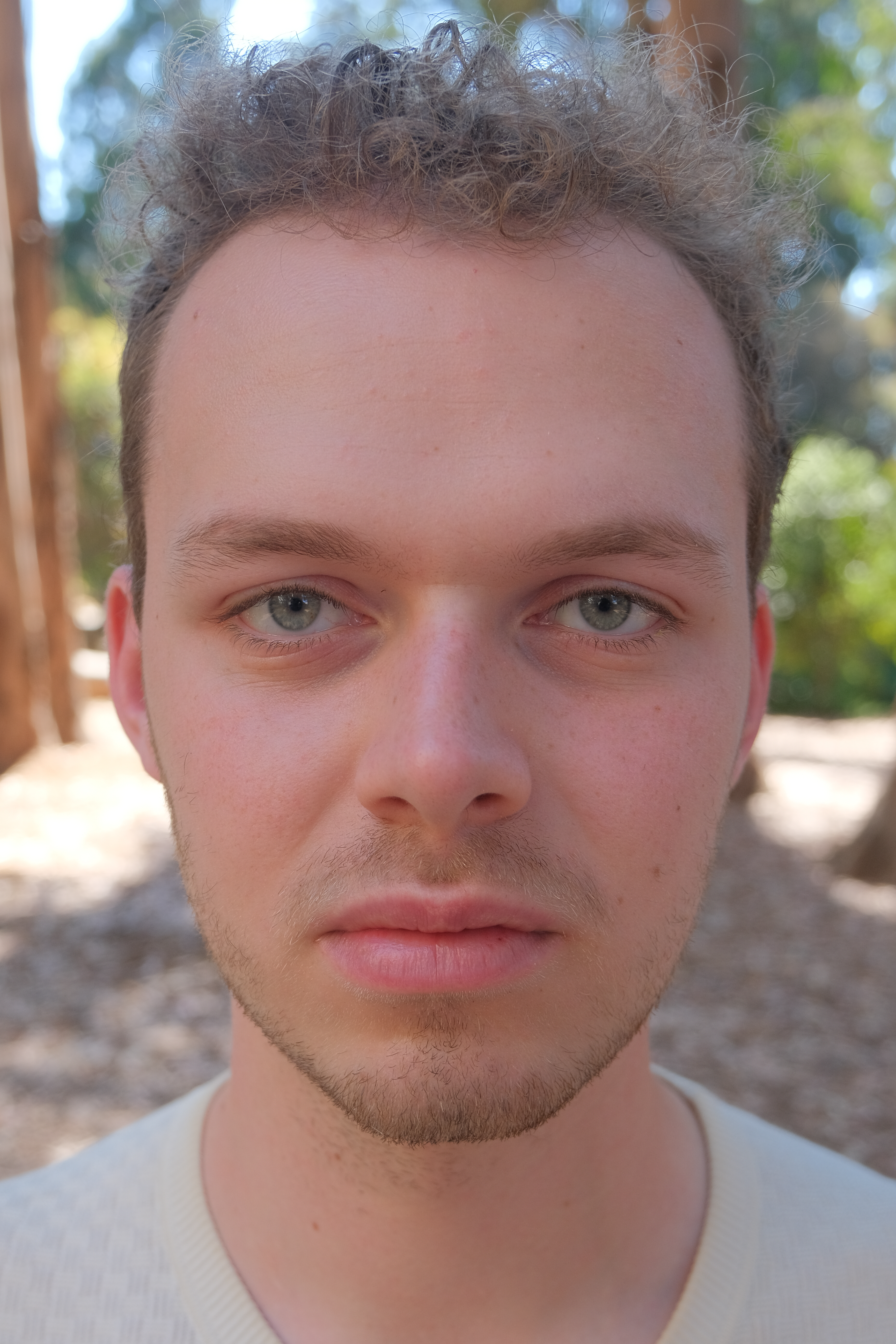
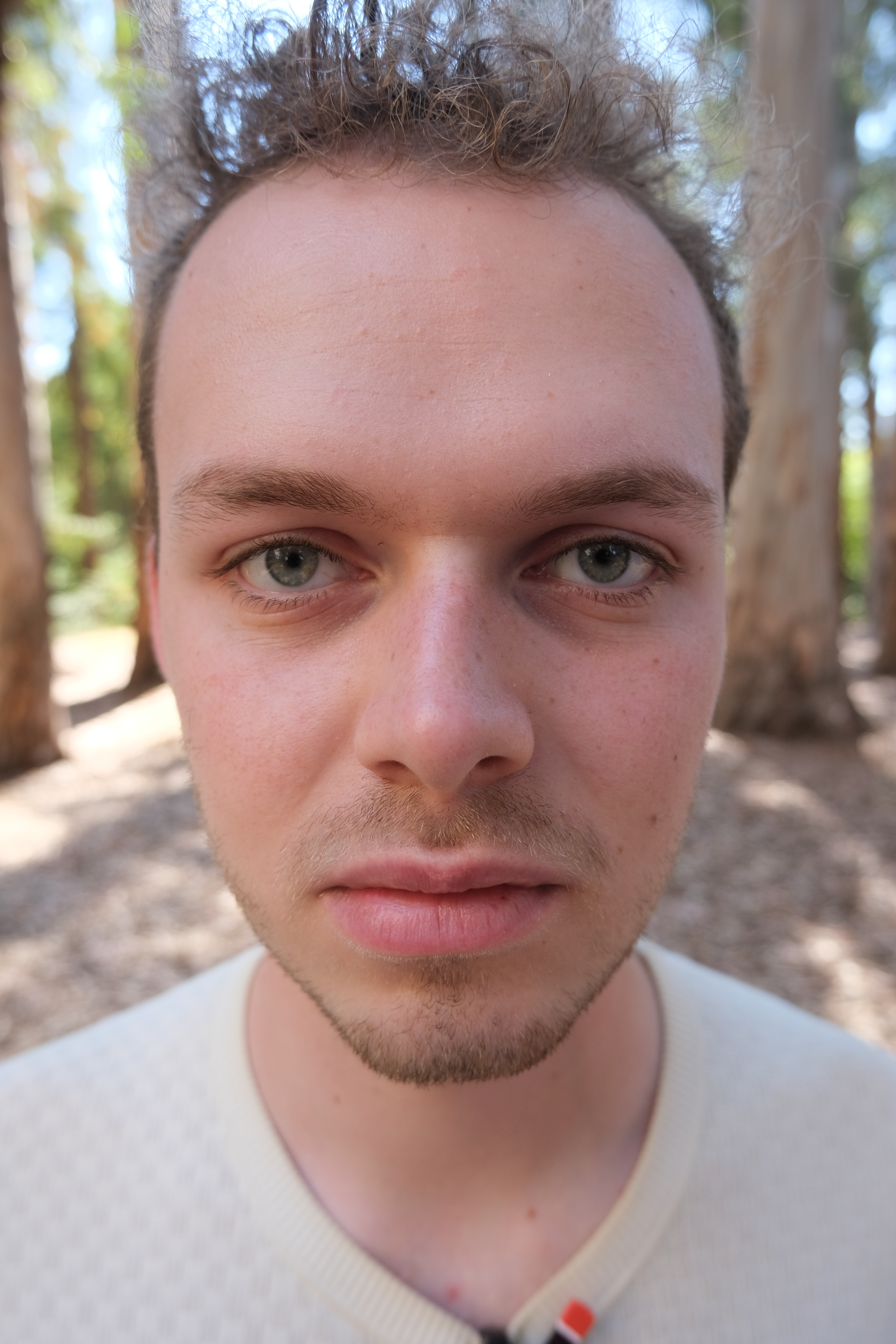
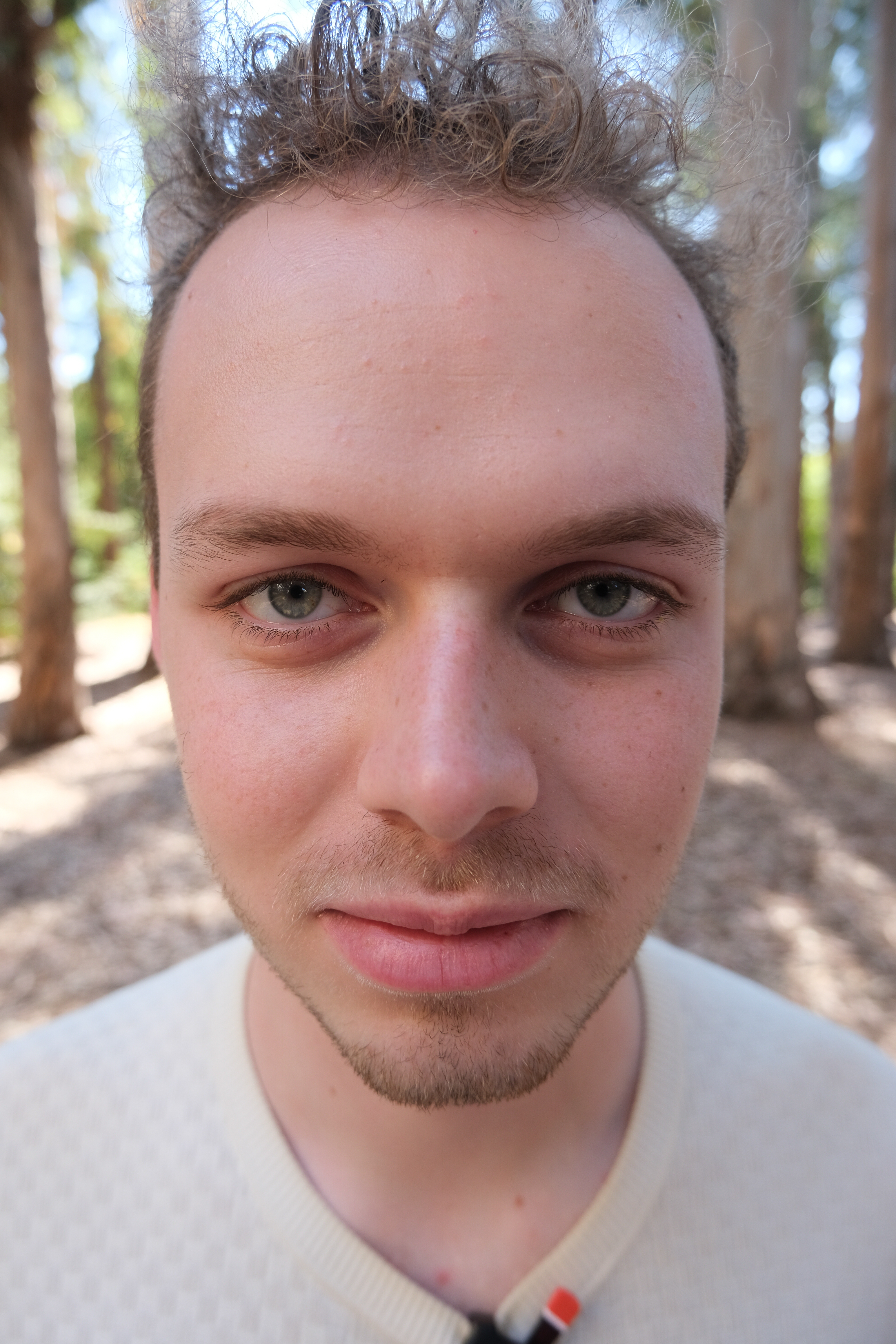
1. When you take a photo from very close, the camera lens stretches the perspective, making nearby features like the nose appear much larger than parts of the face that are farther away.
2. Moving the camera back and zooming in reduces this distortion, so the size differences between facial features and the background appear more balanced and realistic.
3. Essentially, photographing from a distance with a tighter frame mimics a more "flat" or orthogonal view, better preserving the natural proportions of the subject.
Part 2: Perspective Compression
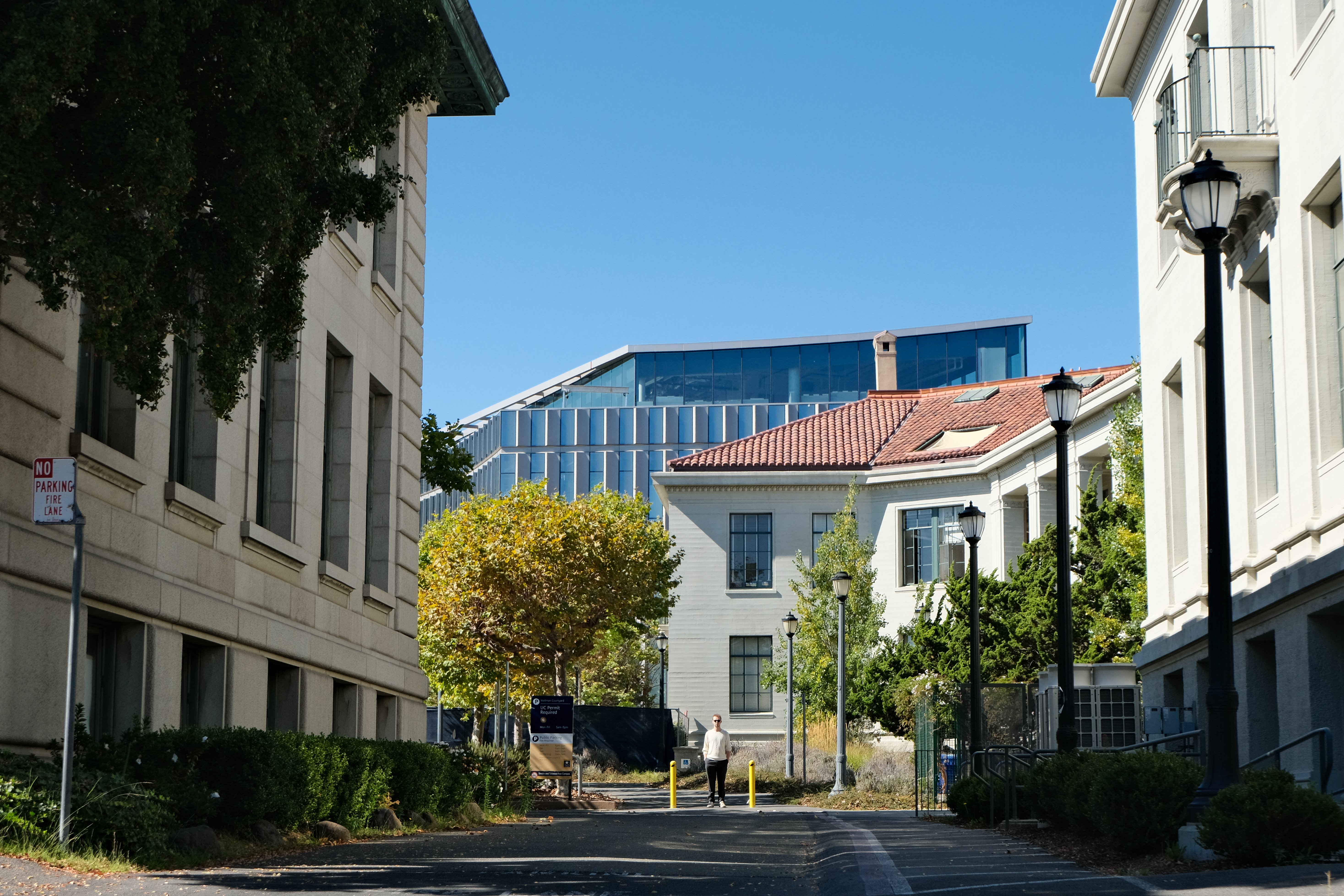
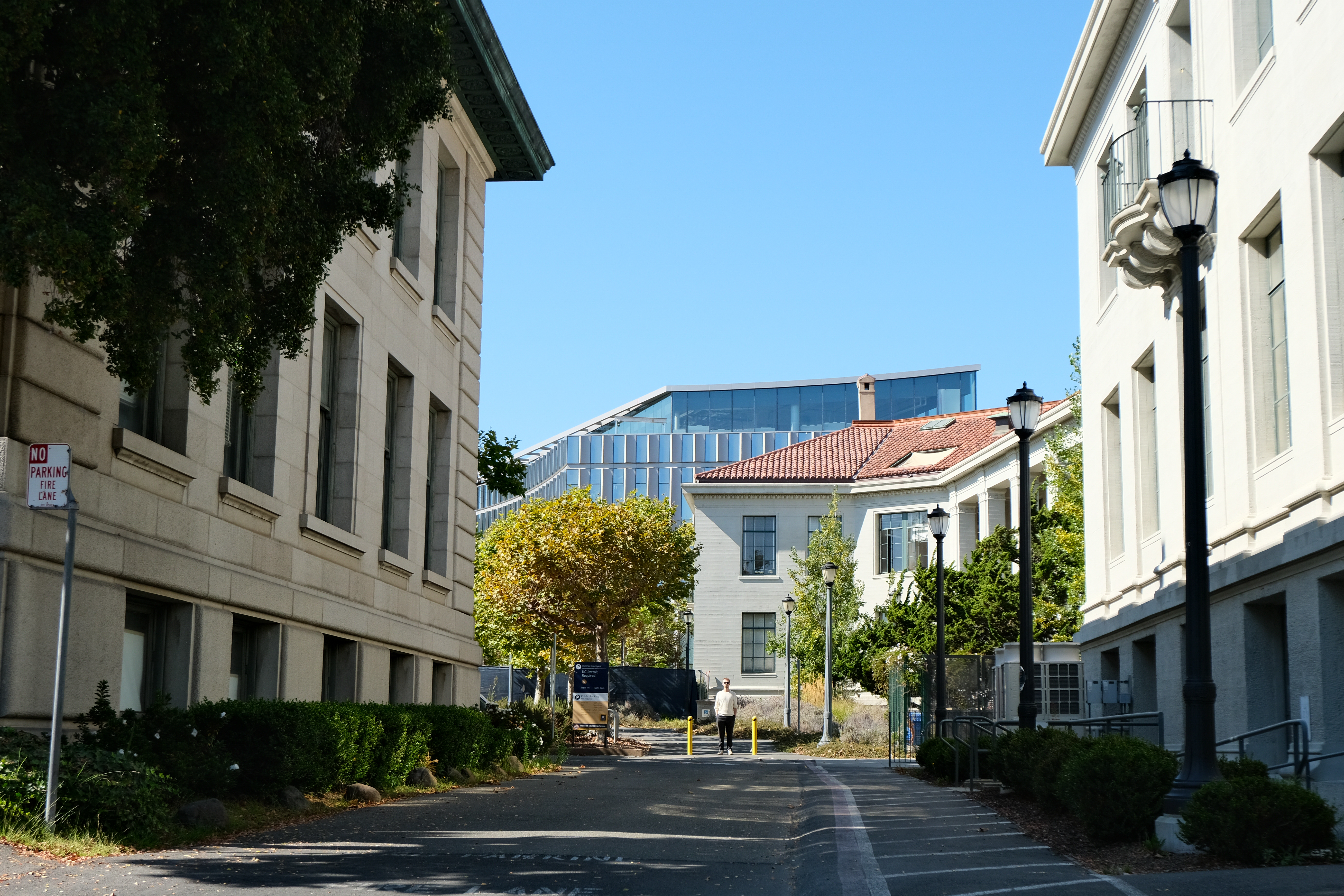
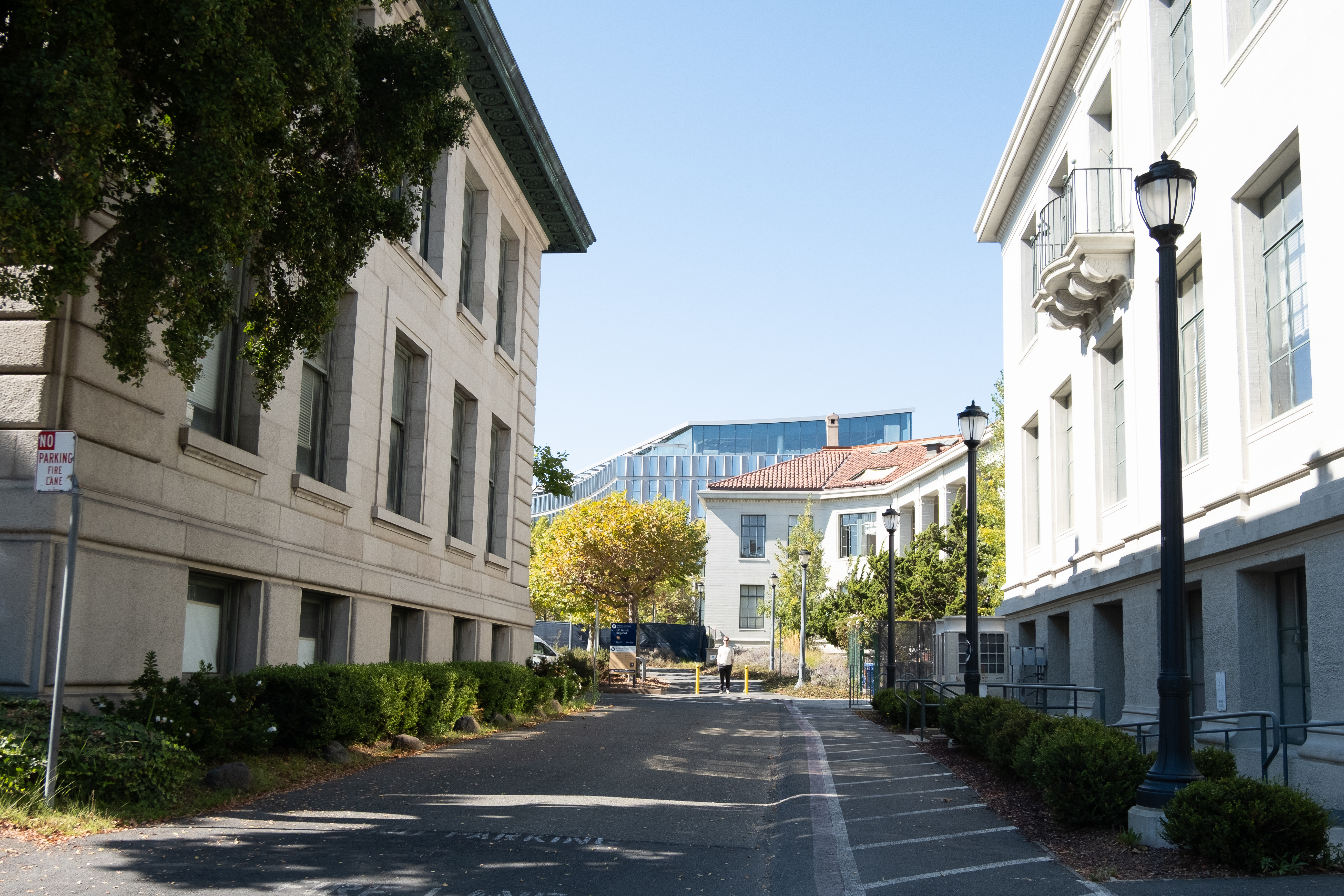
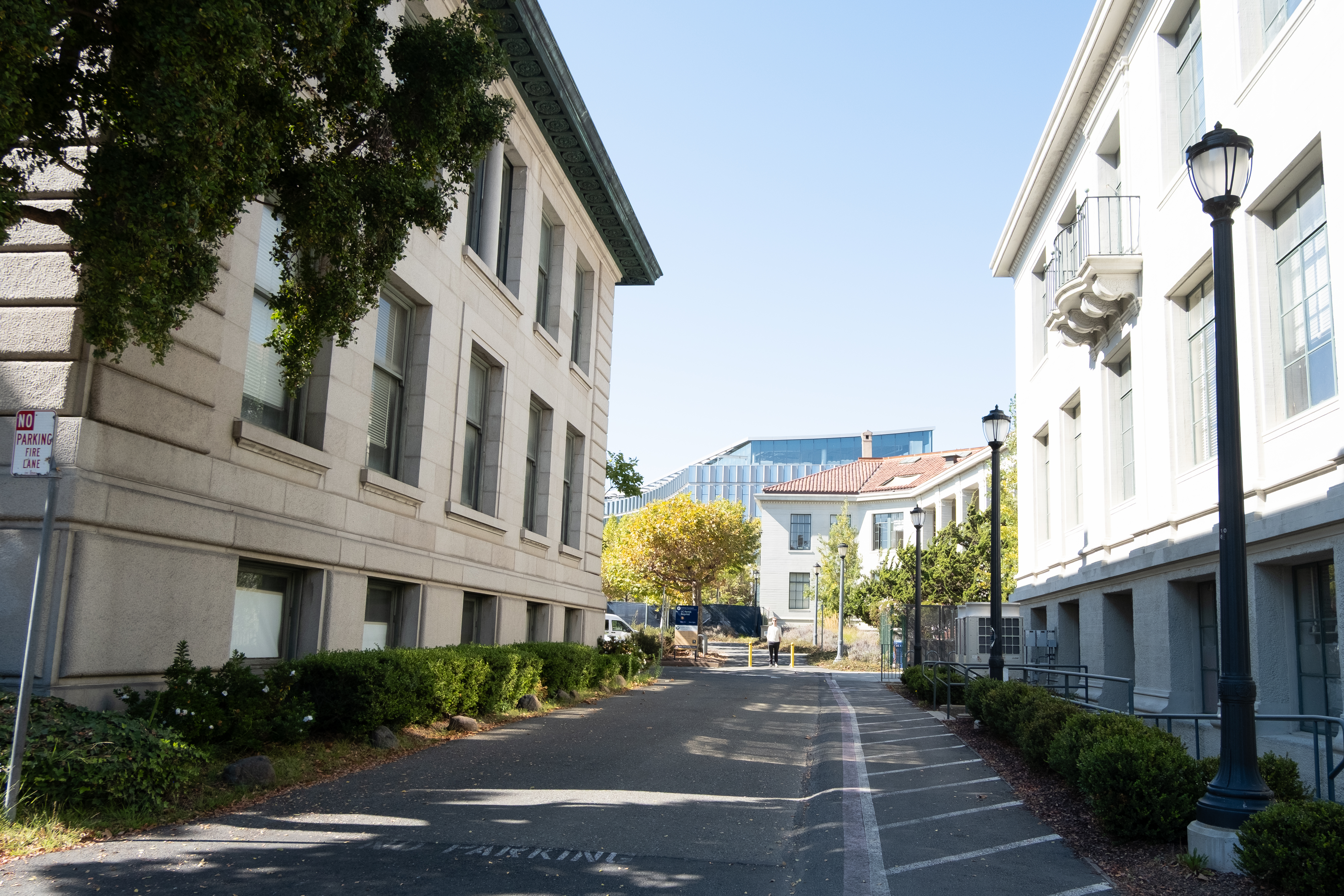
1. Zooming in from a distance along a street reduces the lens's field of view, which squeezes the space between objects and flattens the scene.
2. Objects that are far apart in reality—like buildings, poles, or people—appear much closer together and more evenly sized.
3. This perspective compression makes the depth of the street seem less pronounced, giving the image a stacked, two-dimensional look.
Part 3: The Dolly Effect
1. Pulling the camera back while zooming in preserves the subject's size but alters the surrounding scene's proportions.
2. As the background shifts in scale, it seems to expand or contract around the subject, producing a surreal, warped look.
3. This combination of camera movement and zoom creates the striking "dolly zoom" effect, where the subject stays constant while the environment visually stretches.